


The earlier years
For years, I was very hard on myself.
I’m Éanna Healy, the founder of Revival. My own search for a bit of peace began years before the float rooms.
From around sixteen, I struggled with depression, anxiety and how I felt about myself. I was in and out of therapy, and those difficulties followed me through much of my twenties.
I felt lost. There were times when I couldn’t picture a future I was looking forward to. I could be surrounded by people and still feel disconnected. I spent a lot of time questioning myself, and I could be very quick to judge myself over a mistake.
I tried different courses and interests, from engineering and computers to fitness, psychology and music. I could get completely involved in something and care about doing it well. I was still trying to understand myself and find a direction that made sense.
When I look back at those years now, I can see how much I was trying. At the time, it was harder to give myself that understanding.
Shift work and sleep
I know how much poor sleep can take out of you.
I spent nine years working at a well-known manufacturing plant in Castletroy. I worked twelve-hour shifts, a month of days followed by a month of nights.
I cared about the job. I trained across departments, got involved in the sports and social club and sometimes came in on my days off to help. I liked learning and having something to build or improve.
I was also dealing with arthritis, and my sleep was very poor for a long time. I could spend a lot of my time off tired or sleeping. The shifts and changeovers were affecting my mental health, and I was finding it harder to keep going as I was.
What I wanted was to get some proper rest and feel more able to deal with everyday life.
The first float
In Cork, I found something that helped me.
I’d heard of floating as sensory deprivation. When I found out there was a place in Cork, I booked in and went down.
After that float, I had a great sleep. I felt revived and recovered. I noticed I was making better decisions at work. I was less stressed and less defensive.
That was my experience, and it changed my life. It gave me a reason to keep making time for floating. Eventually, I wanted to create a place where other people could take that time for themselves too.
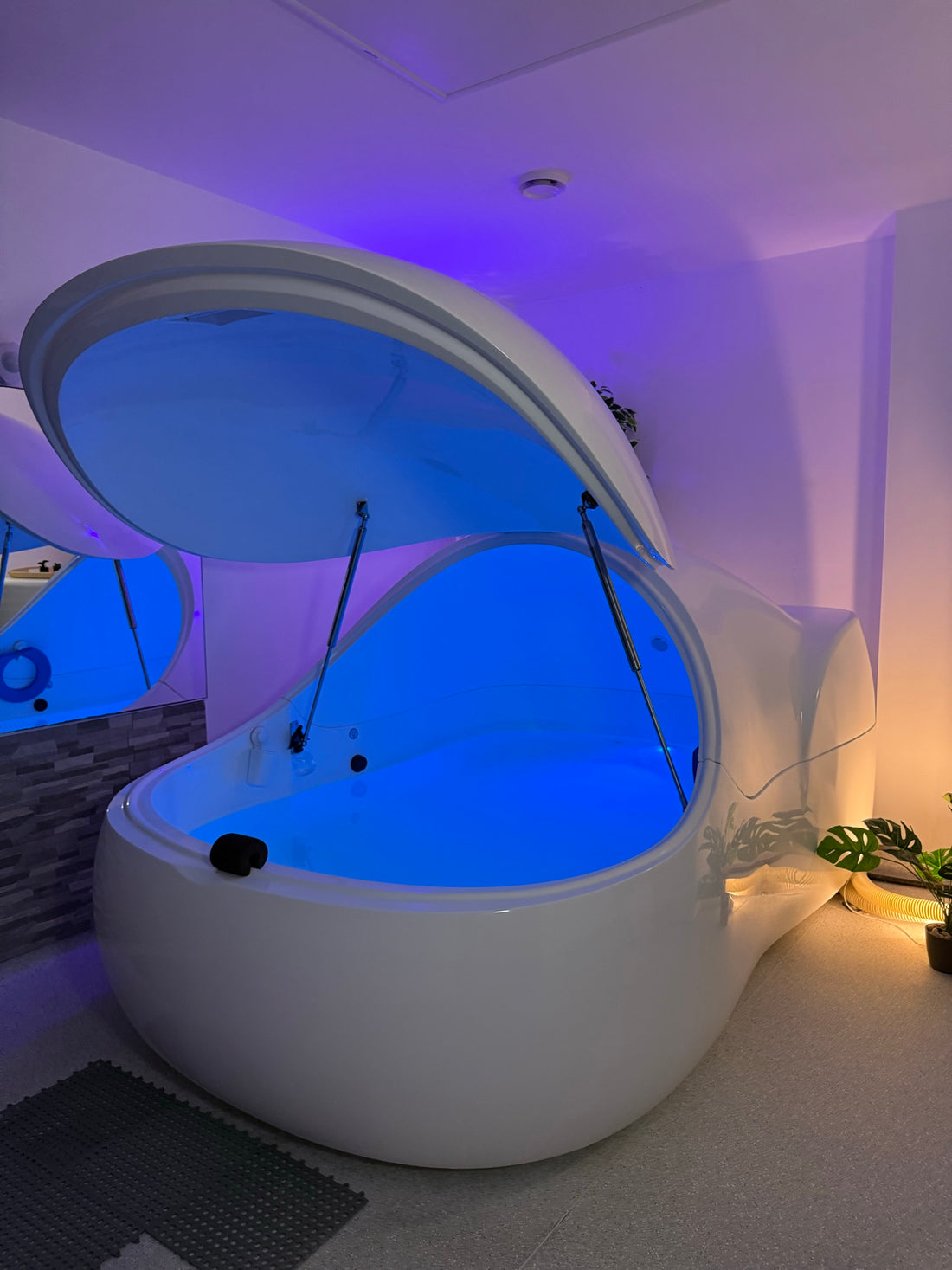
From needing that space to creating it.
I began working on Revival around 2018, while I was still at the plant. In 2021, I left the job and opened Revival Float Rooms in Raheen.
Getting the doors open meant working through COVID restrictions and delays, with rent, bills and building costs still there. It was a difficult and uncertain time. The responsibility of running the centre was real from the start.
I kept coming back to what I wanted the place to offer: somewhere people could step away from the demands of the day, with a team who’d help them feel welcome.
Building Revival gave me work that mattered to me. The sense of purpose grew through doing it, even while I was still figuring out plenty in my own life.
Learning to look after myself
Change came gradually.
Floating was part of a wider change in how I lived. I read a lot, took a mindfulness course and began practising at home. Over time, I started to notice how often I pushed myself, and how I spoke to myself when things went wrong.
I’d spent years measuring myself by what I achieved and what other people thought. Learning to give myself some patience took time. So did making rest part of my life.
Those are things I’m still working on. They shape the way I want to treat the people who come to Revival.

The care behind Revival
The welcome matters as much as the room.
You might arrive tired, or unsure what a float will be like. You shouldn’t have to feel awkward about that. I want Revival to be a place where you’re met with friendliness, empathy and kindness.
I remind the team that we never really know what somebody is carrying when they walk through the door. My own experience is part of why that matters to me. You can look as though you’re getting on with life and still be having a very hard time with yourself.
I try to create a culture of health within the centre. That includes the people who work here, and it shows in the small things we’re responsible for every day.
A friendly welcome
You can ask questions, tell us you’re nervous or say you’ve never done anything like this before. We’ll take time to explain.
Clean, carefully prepared rooms
Cleanliness is part of looking after you. The care we put into the rooms matters throughout the visit.
A supported team
I look after the staff, and the staff look after the customers. How we treat each other shapes the place you walk into.
Responsibility every day
Listening when something needs attention, responding with care and taking responsibility for the standards we set.
Five-star reviews
Thank you to everyone who has shared their experience.
I value seeing the staff, the welcome and the cleanliness mentioned alongside the float itself. Those are things we have to keep looking after, however many reviews we have.
“extremely clean, professional, and feels brand new.”Guest review · June 2026
One of the best day spas!
“hardworking, kind, and genuinely welcoming.”Guest review · January 2026
Would recommend
“I was at ease straight away.”Guest review · July 2026
Such an experience
Revival Harmony
The same care, in a different form.
Sound had been part of my life long before Revival. I’d studied music production and radio, and built a home studio at my parents’ house. I put it aside when my depression got worse, but the interest stayed with me.
Returning to sound became part of my own practice, alongside mindfulness and meditation. Through Revival Harmony, that interest grew into sound sessions, a separate studio and practitioner training.

At the beginning, I recorded meditations at home because guiding people live felt difficult. Confidence came through practice. I remember that when somebody is starting something unfamiliar.
Writing The Path to Harmony: 110 Lessons for Strength and Growth helped me put those experiences into words, particularly what I’d learned about self-worth and finding purpose. The lessons grew out of things I’d needed to understand in my own life.
That work now sits alongside Before the First Sound: Lessons for Sound Healing Practitioners, Understanding the ADHD Mind, gratitude books and practical journals.

I’m still learning too.
A later ADHD diagnosis helped me understand more about myself. I still have difficult days, and I’m still learning how to look after myself. That’s part of why patience and empathy matter to me in the work I do.
Explore Revival Harmony